
01
Pocket
Pocket / Mini
The smallest footprint
- Best for
- A coat pocket, very light travel, keeping a Bible close
- Portability
- Maximum
- Writing space
- Minimal
- Know before you buy
- Expect the finest text and the least writing room

Because faith is meant to be shared. Claim at cart.
Shepherd’s Shelf Field Guide / Size & Print
Start with the physical size. Compact is easiest to carry, standard gives the best everyday balance, and large gives you the most room. Then choose the print and features that feel right.
Plain-language guidance · Exact sizing varies by edition · Reviewed September 2026
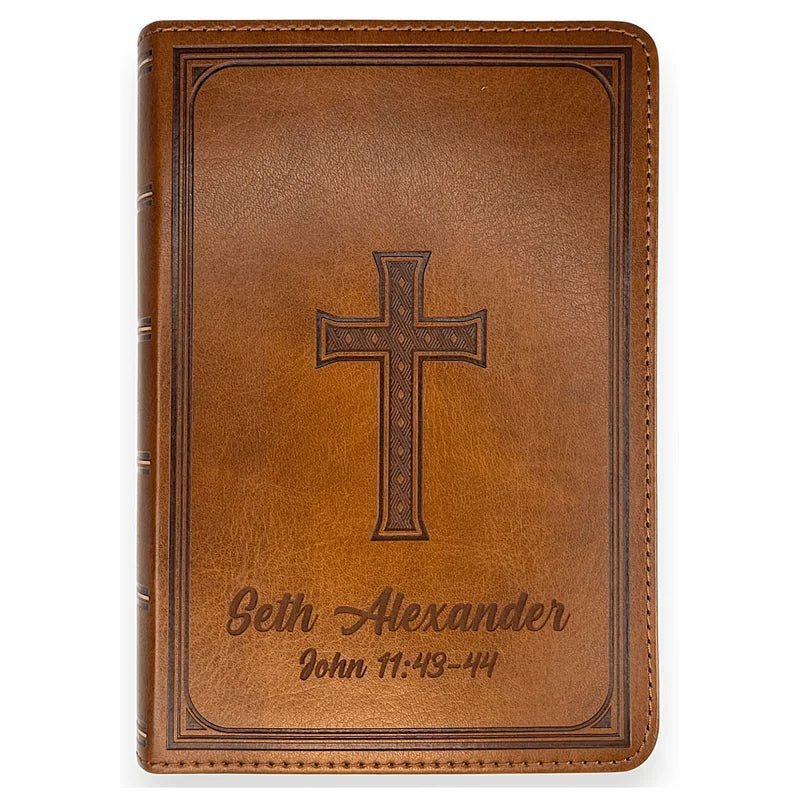
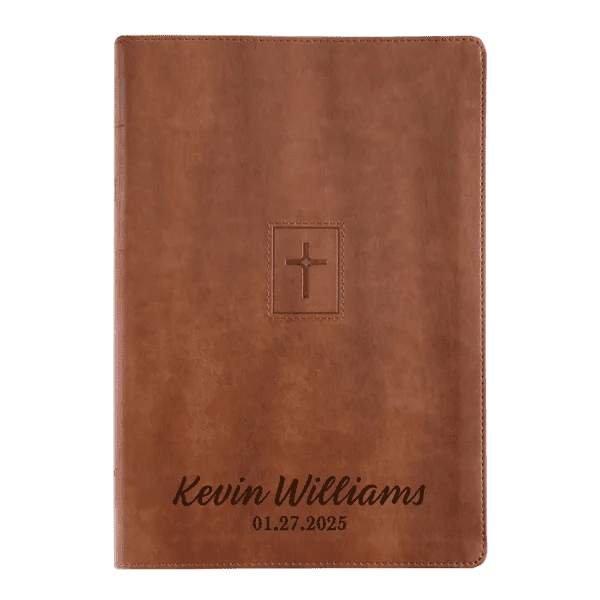
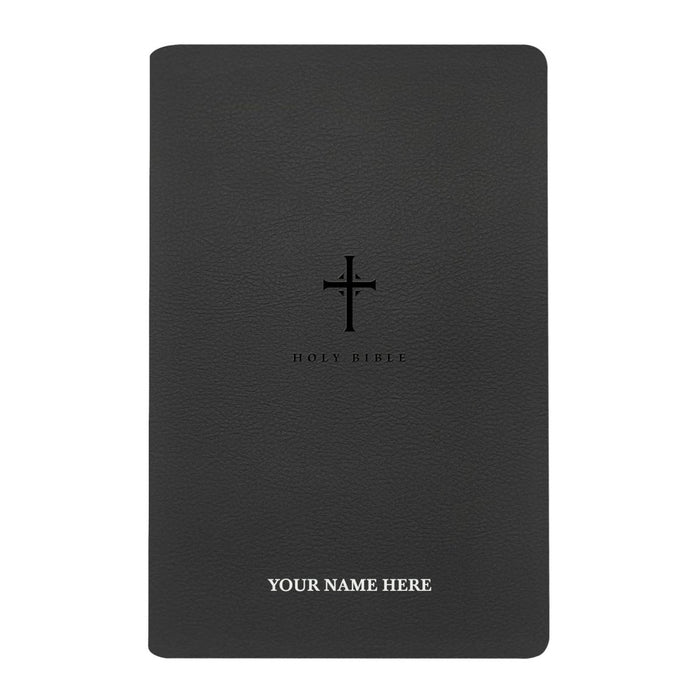
Compare the exact product dimensions before choosing.
Format field notes
These formats describe the Bible’s physical footprint, thickness, and page design. Print size is compared separately below.
Swipe to compare all six formats
Pocket / Mini
Compact / Personal
Standard / Full Size
Large Size
Thinline
Journaling / Note-Taking
Publishers size and label editions differently. A “compact” Bible from one line may overlap a “personal size” edition from another. Check the exact dimensions, weight, and photographed sample pages on the product you are considering.
Start with real life
The best format is the one that fits the place, pace, and way you actually read.
The easiest format to keep in a purse, backpack, or carry-on. Check the product photos for actual text size before buying.
See matching personalized BiblesA balanced choice: readable enough for regular use without adding unnecessary bulk to your bag.
See matching personalized BiblesStart with a familiar full-size edition, then prioritize the print that feels comfortable for a full chapter—not just a quick glance.
See matching personalized BiblesChoose readability first. Large-print editions are usually wider, thicker, or heavier, but far more comfortable for many readers.
See matching personalized BiblesA larger physical footprint gives text, references, and page layouts more breathing room. It is best suited to home reading.
See matching personalized BiblesWide margins give sermons, prayers, and observations a permanent home. Expect a wider page and less compact feel.
See matching personalized BiblesShown at a glance
These labels are useful guides, not universal point sizes. Typeface, spacing, paper color, and contrast also affect how large the text feels.
The most portable choice, best for readers already comfortable with fine text.
Shop small printThe familiar everyday reading size for most editions.
Shop standard printBigger, more open text for easier, more comfortable reading.
Shop large printThe largest common text category, offering maximum visibility.
Shop giant printIllustrative only—always review the photographed sample pages before choosing.
Shop by situation
When buying for someone else, picture their routine. The “best” Bible is the one that will feel natural to pick up.
For travel
For church
For everyday reading
For an older reader
For taking notes
For a new believer
For a meaningful gift
Real editions, chosen with purpose
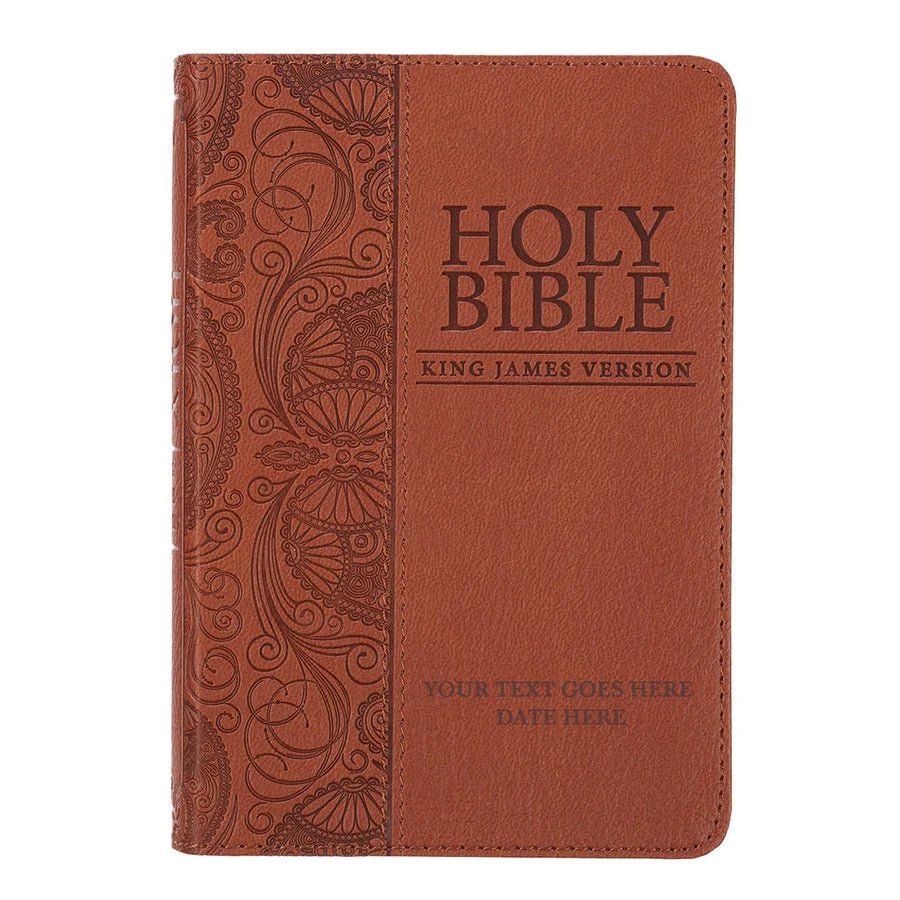
A true 5.6 × 3.9-inch mini KJV made for pockets, travel, and keeping Scripture close.
View personalized BibleA rare blend of compact handling and easier-to-read 10-point KJV text.
View personalized BibleA slim standard-size edition designed for regular reading and carrying.
View personalized Bible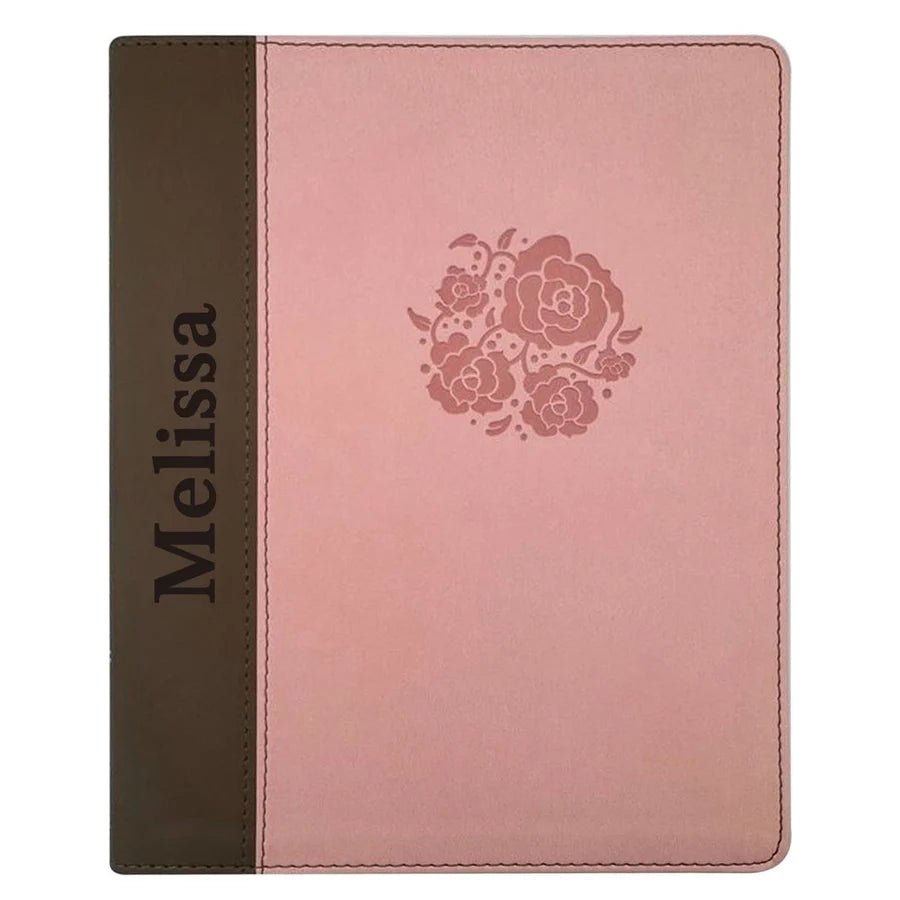
A standard-size NIV with comfortable 9.5-point text, 1.5-inch ruled margins, and guided prompts for reflection.
View personalized BibleOne decision at a time
Format determines how the Bible fits your life. Translation determines how the language will feel when you open it.
Before you choose
Short answers you can use while comparing any edition.
There is no universal standard Bible dimension. Publishers use “standard” or “full size” for editions that balance readability and portability, but exact height, width, thickness, and weight vary. Always check the individual product specifications.
The terms often overlap. Both describe a smaller, more portable Bible, but publishers may use them differently. Compare the actual dimensions, weight, and sample pages of the specific edition rather than relying on the label alone.
Often, but not always. Larger text needs more page area, more pages, or a space-efficient layout. Some thinline large-print editions stay relatively portable, while large-size or giant-print editions can be substantially heavier.
A thinline Bible is the best all-around church choice for many readers because it keeps the full biblical text without extensive note content. Choose compact if smallest possible size matters more than text size.
Start with large or giant print and prioritize comfortable sample pages over the smallest physical book. A slightly heavier Bible that is enjoyable to read is usually a better gift than a compact Bible with text that feels strained.
“Thinline” describes the book’s slimmer profile, not its translation or necessarily its page dimensions. Thin paper and efficient layouts keep the full biblical text in a less bulky edition, often with less room for notes.
Made for their hands. Marked with their name.
Find a Bible they will want to carry, read, and keep close.
Shop personalized Bibles